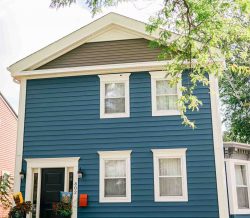
Midwest homes face some of the toughest weather conditions in the country. Hot summers, freezing winters, heavy winds, hail, and rapid temperature swings all take a toll on siding. Because of this, homeowners often ask about steel siding or vinyl when planning a replacement.

Why Midwest Weather Demands the Right Siding Choice
Midwest weather stresses exterior materials year-round. Winter brings freeze-thaw cycles, ice, and snow buildup. Summer introduces heat, humidity, and strong winds. Siding must expand and contract without cracking or warping. The best exterior siding for Midwest weather resists moisture, wind damage, and temperature extremes. It must also protect insulation and structural framing.
Overview of Vinyl Siding Performance
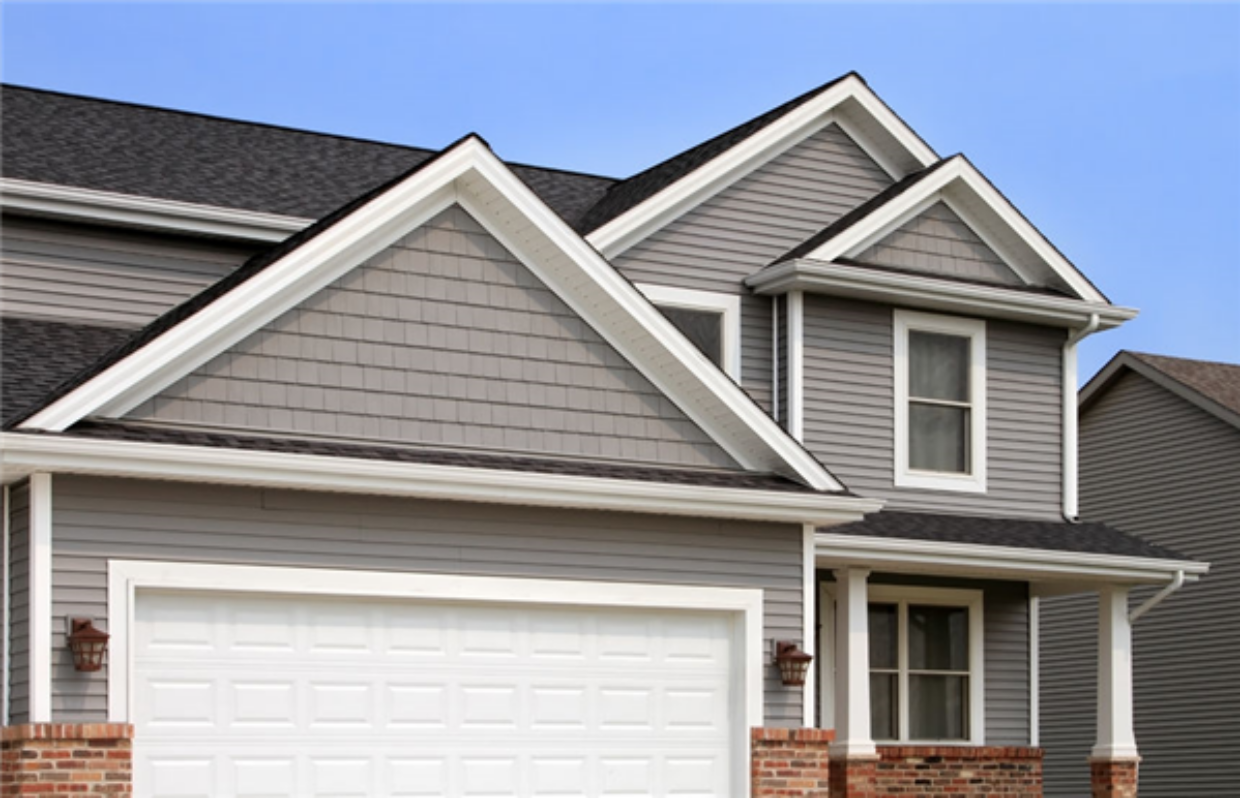
Vinyl siding earned its popularity due to its low upfront cost and wide color selection. It resists moisture and never requires painting, making it attractive to Midwest homeowners. However, vinyl reacts strongly to temperature changes.
In cold climates, vinyl becomes too brittle. This leads to cracking during winter weather. In summer heat, panels may warp or loosen. Vinyl also relies on overlapping panels for installation. Strong winds can lift panels, allowing moisture to build up behind the siding.
Overview of Steel Siding Performance
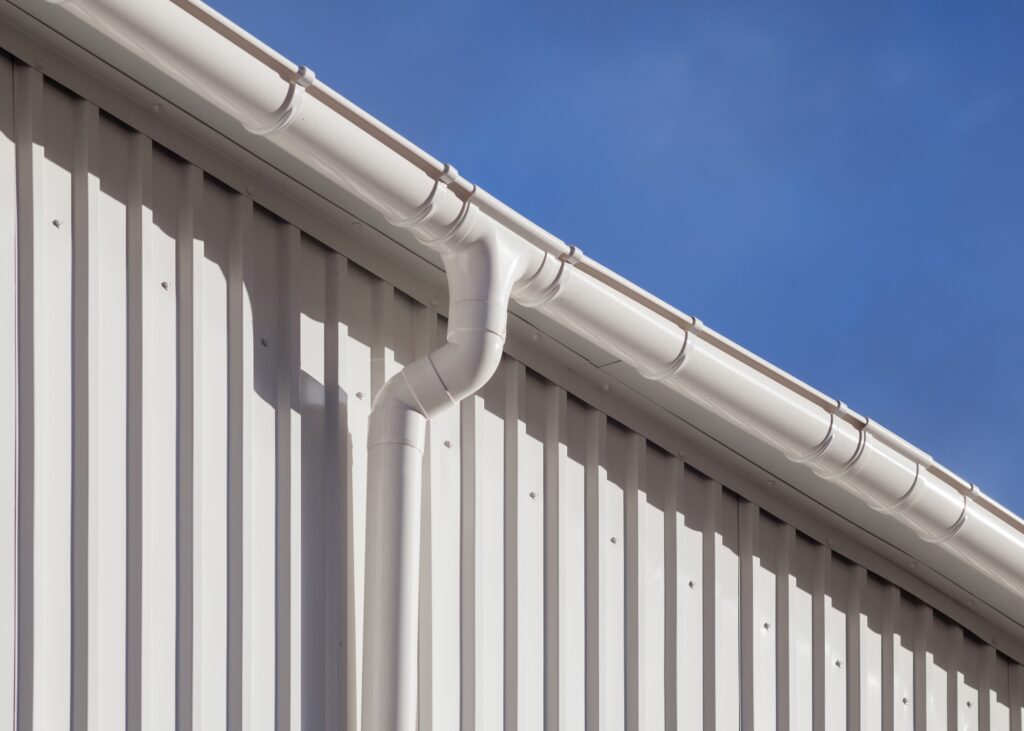
Steel siding offers a very different performance profile. It resists impact, moisture, and temperature extremes. Steel doesn’t crack in cold weather or warp in heat.
Modern steel siding includes protective coatings that prevent rust and fading. These finishes withstand Midwest storms and remain far more durable than vinyl. This durability often leads homeowners to ask, “Is steel siding better than vinyl for long-term protection?”
Steel Siding Cost vs. Vinyl
The lower price of vinyl appeals to budget-focused homeowners. However, the cost of steel siding vs. vinyl siding looks different over time. Vinyl needs to be replaced much sooner than steel siding, resulting in a lower long-term value.
Durability Comparison: Steel vs. Vinyl
Durability remains one of the biggest differences in steel siding vs. vinyl. Vinyl siding dents easily and cracks during freezing conditions. Once damaged, panels require replacement.
Steel siding resists dents, impacts, and heavy winds. Hail that shatters vinyl often leaves steel untouched. This strength makes steel appealing for storm-prone areas.
Weather Resistance in Midwest Conditions
Vinyl siding expands and contracts significantly with temperature swings. This movement can loosen fasteners and open gaps.
Steel siding expands far less. This stability helps maintain a tight exterior envelope. Better sealing improves moisture control and insulation performance. When evaluating the best siding for Midwest weather, steel consistently outperforms.
Maintenance Requirements Over Time
Vinyl siding requires minimal routine maintenance, but damage repair remains common. Cracked or warped panels need replacement to maintain protection. Color fading also occurs over time, especially on sun-exposed walls.
Steel siding requires even less intervention. It resists fading, pests, and moisture damage. Occasional cleaning keeps it looking new. Steel does not attract insects or suffer from rot issues.
Appearance and Design Flexibility
Vinyl siding offers many colors and textures. However, some colors fade unevenly with sun exposure. Replacement panels may not match older sections.
Steel siding now offers advanced finishes that mimic wood grain and modern textures. These finishes remain consistent for decades. For homeowners seeking a clean, high-end appearance, steel provides substantial visual advantages.
Energy Efficiency Considerations
Siding affects energy efficiency through insulation support and air sealing. Vinyl siding panels hang loosely, allowing airflow behind them. This reduces insulation effectiveness.
Steel siding installs more securely. When paired with proper insulation, it improves thermal performance. Reduced air filtration lowers heating and cooling demands. Energy-conscious homeowners often favor steel for long-term efficiency benefits.
Pros and Cons of Vinyl Siding
Pros:
- Lower upfront cost
- Low routine maintenance
- Moisture resistance
- Wide range of colors and styles
Cons:
- Poor performance in cold climates
- Heat sensitivity
- Lower durability
- Loose installation system
Pros and Cons of Steel Siding
Pros:
- Superior durability
- Excellent impact and wind resistance
- Long lifespan
- Stable performance in temperature extremes
Cons:
- Higher installation cost
- Needs professional installation
Which Siding Is Right for Your Midwest Home?
Choosing between steel and vinyl depends on priorities. Vinyl suits short-term budgets and mild conditions. Steel suits homeowners seeking durability, weather resistance, and long-term value.
C&T Siding & Windows in Roberts, WI, is your local provider for siding services. We install, repair, and maintain siding for Midwest homes, and we are your one-stop shop for windows as well. Contact us today to learn more about steel siding vs. vinyl siding.