Homes across Eastern Minnesota and Western Wisconsin are experiencing more extreme weather each year. As a result, homeowners must now consider more than appearance when choosing durable siding in 2026.
If you’re comparing siding options for high winds, harsh winters, and moisture protection, three materials stand out: seamless steel siding, vinyl siding, and engineered wood siding.
Each option offers unique advantages that may appeal to you based on your home’s location, exposure level, maintenance expectations, and design goals.
What Makes Siding Durable Against Midwest Weather?
Homes in the Upper Midwest deal with some of the toughest seasonal swings in the country.
Winters bring freezing temperatures, ice buildup, and heavy snow. Spring storms dump rain and drive moisture into exterior walls. Summer humidity is intense, and windy conditions hit rural areas particularly hard.
Before installing one type of siding or another, pay attention to the following performance factors:
- Wind resistance: Strong siding stays securely attached during high wind events.
- Cold-weather crack resistance: Durable materials retain their shape and flexibility even as temperatures plummet.
- Moisture protection: Quality siding limits water intrusion during heavy rain.
- Impact resistance: Tough siding materials resist dents and cracks caused by hailstones and stray baseballs.
- Resistance to warping and fading: Reliable siding maintains its appearance and structural integrity even with seasonal fluctuations and direct sunlight.
Seamless Steel Siding: Best Overall for Weather Durability

If you want the best siding for high winds and harsh Midwest weather, EMCO seamless steel siding is the clear choice. Unlike sectional siding products, seamless steel involves long, continuous panels custom-cut for your home. This gives it outstanding durability across nearly every category.
Consider what EMCO seamless steel siding has to offer:
- Outstanding protection against high winds
- Strong impact resistance against hail and flying debris
- Reliable performance through freeze-thaw cycles
- Reduced risk of water intrusion with seamless installation
- Built-in protection against fire, moisture, and pests
- Dependable durability in rural areas with high wind exposure
- Minimal expansion and contraction during temperature swings
Seamless steel siding is especially well-suited for homeowners who want maximum storm protection with minimal upkeep. It’s an excellent fit for rural and lakefront properties exposed to high winds, as well as for anyone who prioritizes durability above all else.
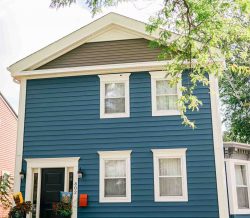
Vinyl Siding: Best for Neighborhood Homes

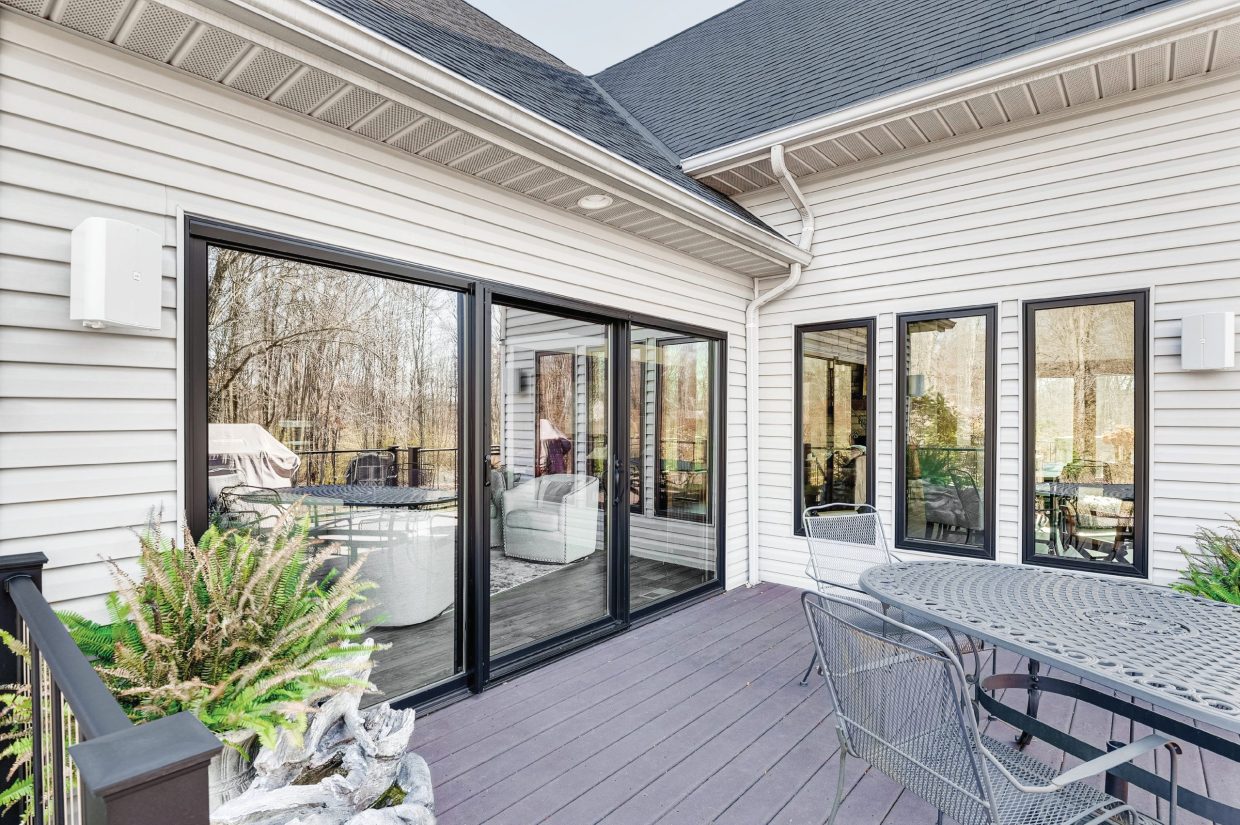
Vinyl has remained one of the most popular siding options for decades, and it continues to hold that position in 2026. Modern manufacturing has improved vinyl siding far beyond the thinner products many homeowners remember from years past.
C&T Siding & Windows installs premium ProVia vinyl siding, which offers exceptional performance in Midwest weather. Here’s what to expect:
- Better wind ratings
- Improved color retention
- Resistance to moisture and rot
- Better wind durability
- Low-maintenance design
- Upgraded insulation options
Vinyl siding is suitable for homes in relatively protected neighborhoods where weather exposure is less intense.
It’s also a popular choice for homeowners comparing vinyl vs. engineered wood who are seeking a lower-maintenance option with dependable performance in a wide range of color choices.
What Makes Vinyl Siding Less Durable in Extreme Weather?
Even modern vinyl has limitations during severe Midwest weather. Extreme cold snaps may cause lower-grade vinyl to become brittle and prone to cracking.
Wind damage is also more likely as panels loosen over time. Plus, vinyl has lower impact ratings than seamless steel or engineered wood products.
Engineered Wood Siding: Best to Maximize Curb Appeal & Weather Resistance

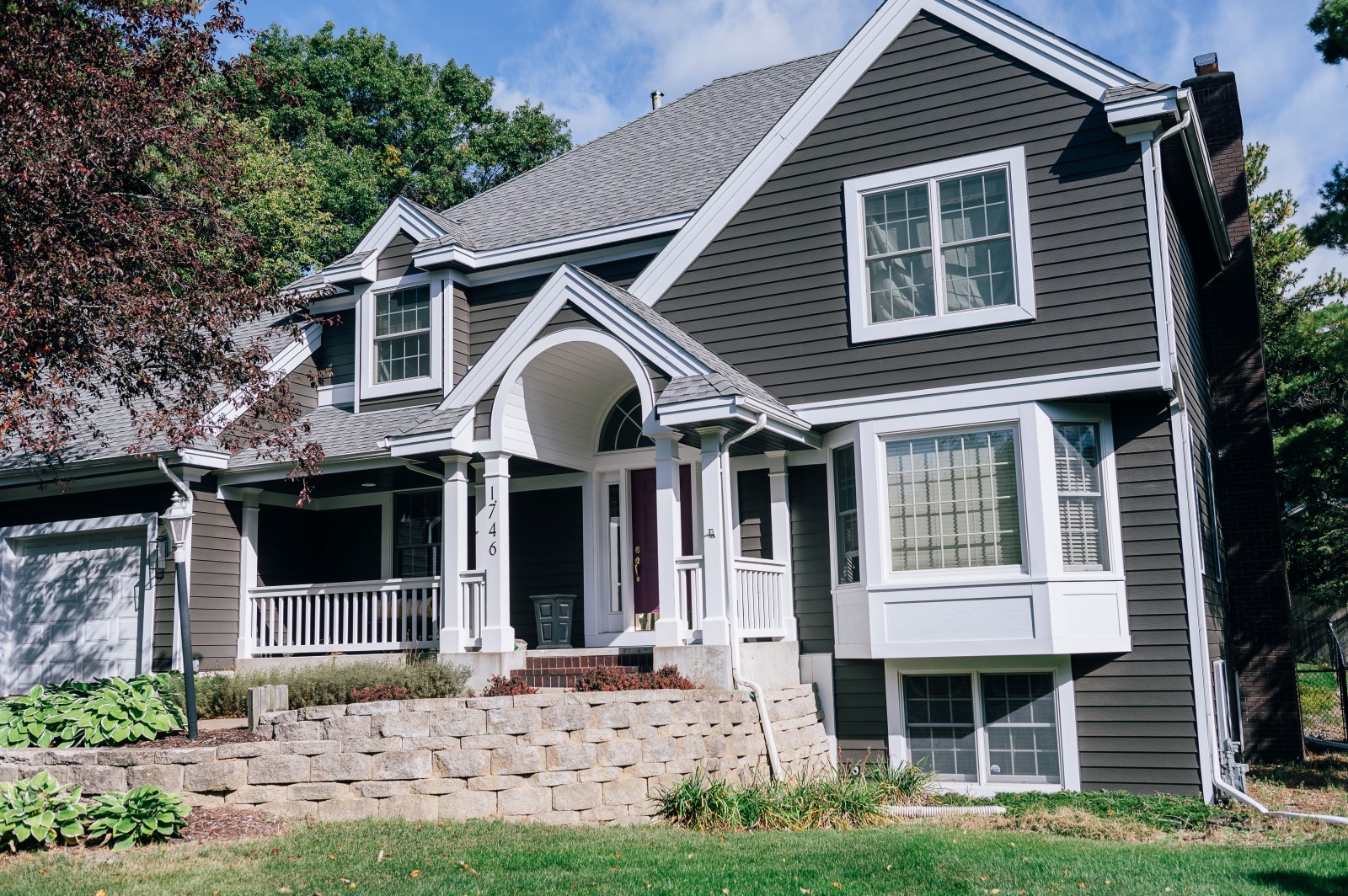
Engineered wood gives homeowners the warm, authentic appearance of real wood but with better protection against moisture, temperature swings, and impact damage.
LP SmartSide siding is a leading engineered wood siding product that combines treated wood strands with protective resins and coatings to improve performance in the following areas:
- Moisture and impact protection
- Dimensional stability
- Resistance to temperature swings
Engineered wood siding works well for homeowners who want the appearance of traditional wood without the vulnerability. It’s a great option if you prioritize curb appeal as much as weather protection.
What Maintenance Does Engineered Wood Siding Require?
Engineered wood siding requires much less maintenance than traditional wood siding. Its protective additives reduce the need for scraping, sealing, and repainting.
But while modern finishes and protective treatments improve durability, engineered wood is ultimately a wood-based product. This means it requires more maintenance than vinyl or seamless steel siding.
Still, with proper installation and recommended maintenance, engineered wood siding holds up well against snow, cold temperatures, humidity, and storms.
Which Siding Handles High Winds Best?
If wind protection is your top concern, EMCO seamless steel siding delivers the best performance. Its minimal expansion and rigid construction make it one of the most dependable choices for severe Midwest weather.
Engineered wood siding also performs well in windy conditions when installed correctly. It offers solid durability and impact resistance, although long-term performance depends on proper maintenance and moisture management.
Premium ProVia vinyl siding outperforms older standard vinyl products, with upgrade options such as reinforced backing systems and thicker insulated panels. For homes in protected suburban settings, modern vinyl remains a dependable option.
Here’s a simple way to compare steel vs. vinyl vs. engineered wood siding based on wind exposure level:
- Rural and open exposure areas: Opt for seamless steel siding.
- Suburban neighborhood homes: Engineered wood or premium vinyl siding is suitable.
- Lakeside or moisture-prone locations: Choose seamless steel siding for long-term performance.
Request Siding Replacement Today
Extreme weather in Eastern Minnesota and Western Wisconsin puts constant stress on your home’s exterior. Choosing durable siding in 2026 means thinking about how the material will withstand heavy snow, freezing temperatures, hailstorms, moisture, and strong winds.
Installation quality matters just as much. Proper fastening, moisture barriers, flashing, and installation methods all affect how well siding performs in the long run. Local experience makes a big difference when selecting a siding contractor in the Upper Midwest.
C&T Siding & Windows has served homeowners throughout Minnesota and Wisconsin for more than 45 years. Our team installs EMCO seamless steel siding, LP SmartSide engineered wood siding, and ProVia vinyl siding using trained in-house installers who understand the region’s weather conditions.
We maintain a straightforward, no-pressure process that starts with a free in-home estimate and design consultation. Homeowners also benefit from our workmanship warranty, Advantage Guarantee, and long-standing reputation.
Schedule a siding installation estimate today, and we’ll help you choose a solution built for long-term durability.